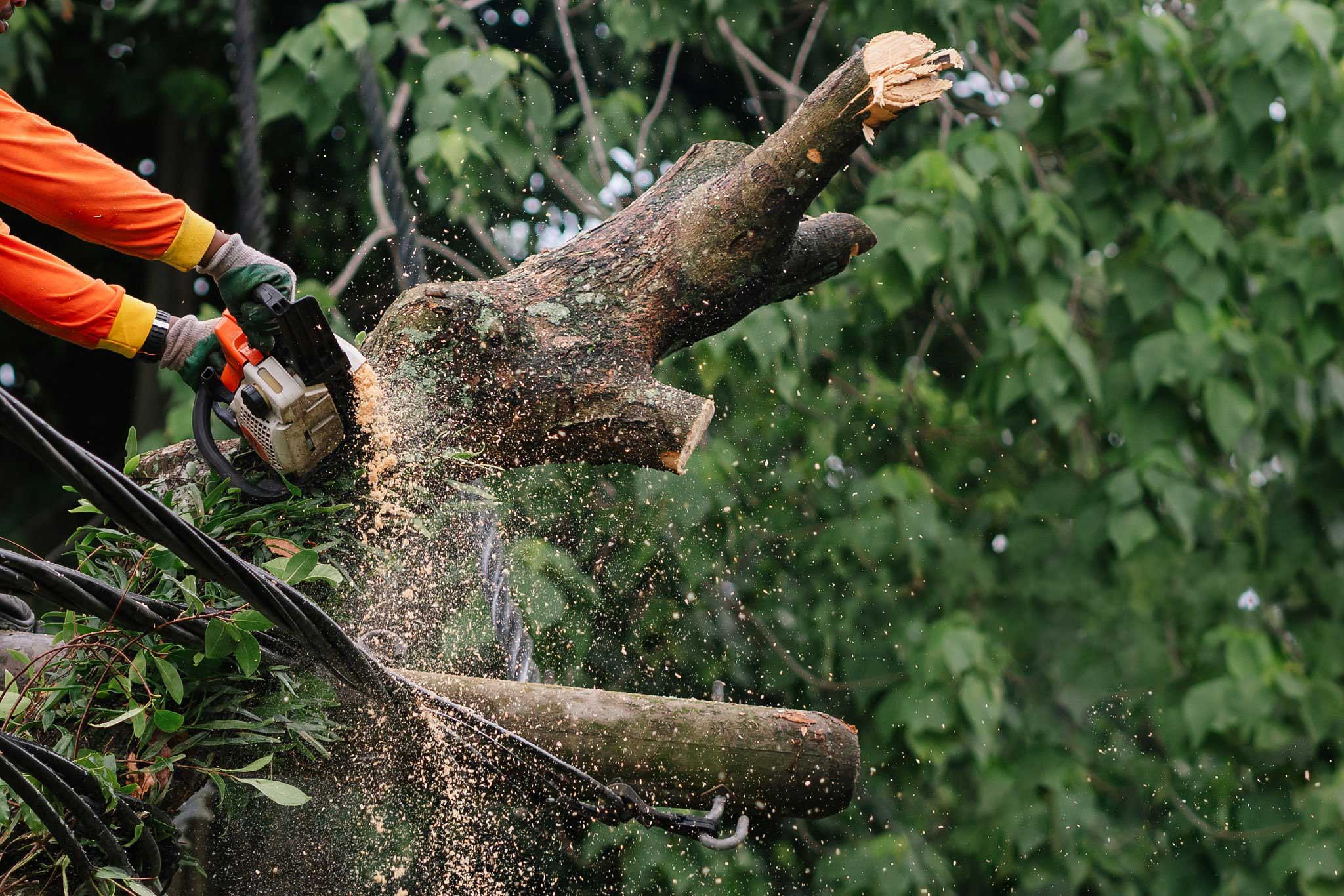
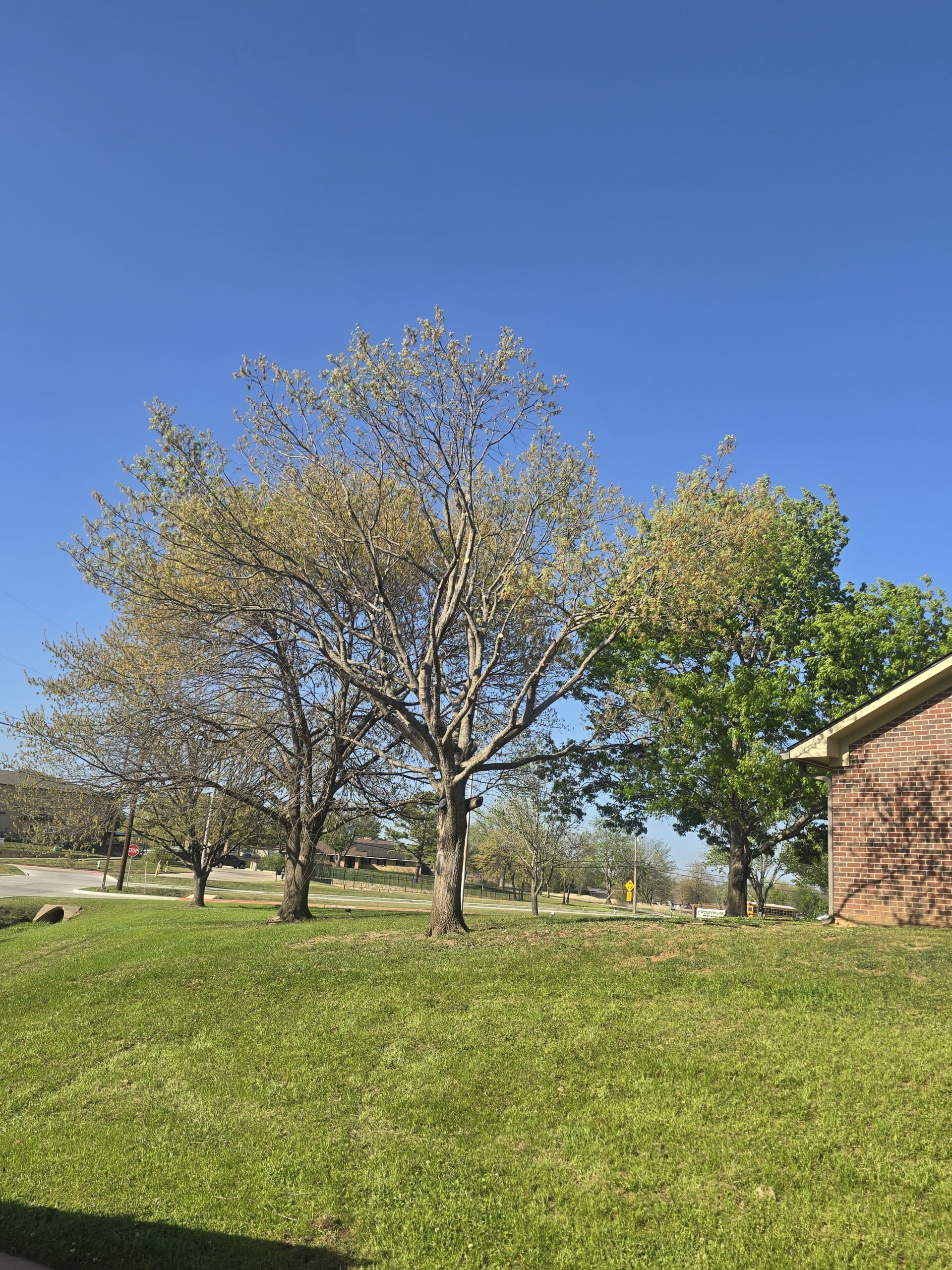
Learn when is the best time to trim trees and how to spot warning signs that may mean removal is the safer option. This FAQ guide helps answer how do I know if a tree should be removed Texas, what are signs a tree is dying Texas, how can I tell if a tree is dead Texas, and when emergency tree removal when needed Texas may be necessary.
After learning when is the best time to trim trees, use the form to ask about tree condition, trimming timing, or possible removal needs. Get help with signs a tree needs to be removed Texas, how can I tell if a tree is dead Texas, and emergency tree removal when needed Texas.
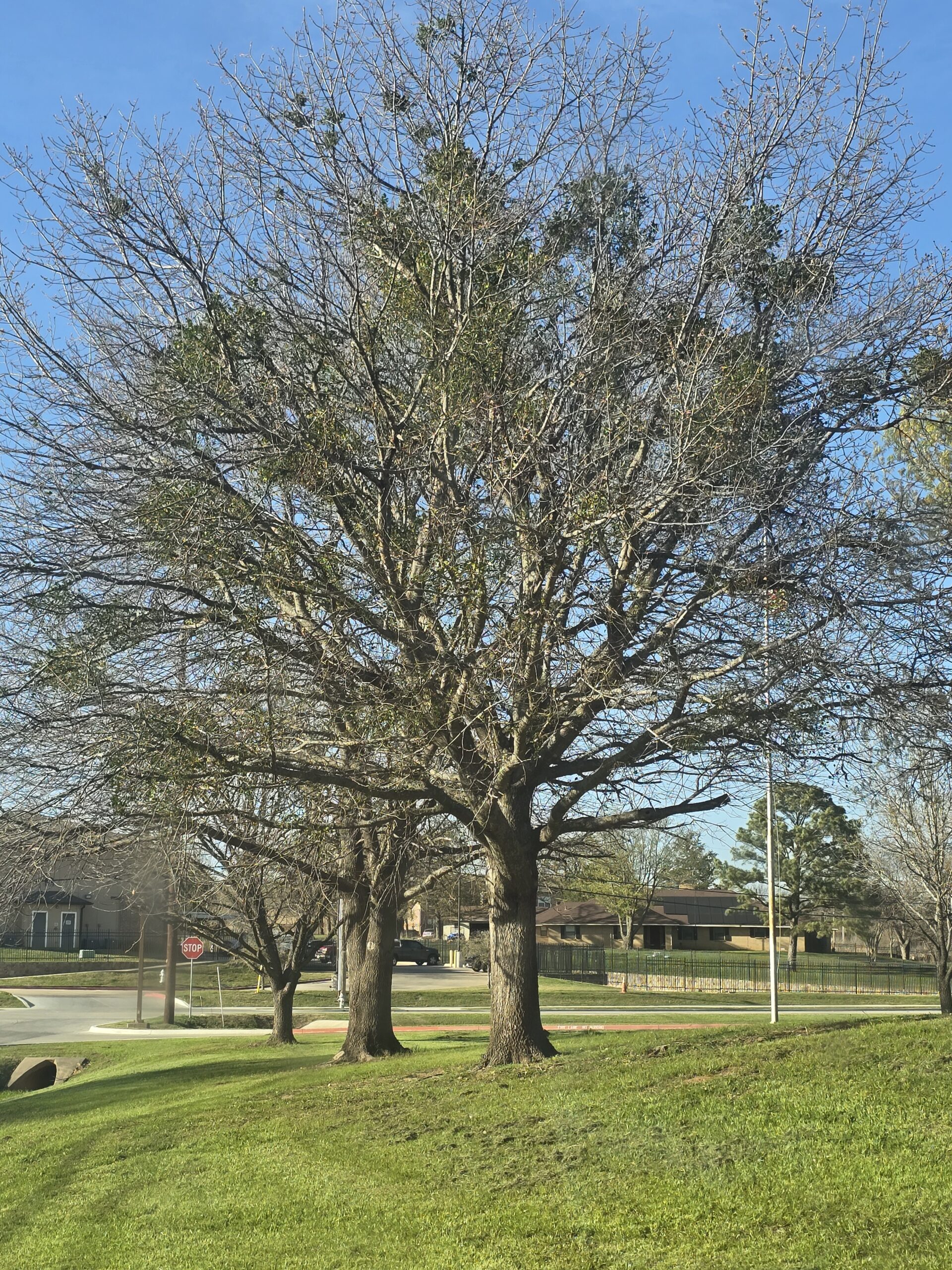
This branding FAQ section answers when is the best time to trim trees, when removal may be the safer option, and what warning signs property owners in Texas should take seriously before waiting too long.
Swipe or use the arrows to move through each FAQ group about when is the best time to trim trees.
When is the best time to trim trees often depends on the species, growth pattern, and condition of the tree, but many property owners trim when branches become overgrown, weak, low-hanging, or risky around structures and access points.
Yes. Timely trimming can improve structure, remove weak growth, increase clearance, and help the tree look cleaner and more balanced on the property.
It can be. Reducing weak, damaged, or heavy branches may help lower the chance of breakage when strong winds or severe weather arrive.
Yes. Trimming can improve clearance over roofs, fences, walkways, driveways, and other parts of the property where overgrowth becomes inconvenient or risky.
It can do both. Trimming often improves visual balance while also removing weak, broken, or crowded growth that affects structure and safety.
Yes. Overgrown trees can make the yard feel heavy and harder to manage. Proper trimming can make the whole property feel cleaner and more intentional.
Removal is usually the safer option when a tree is dead, severely damaged, leaning dangerously, hollow, structurally unstable, or creating a safety risk that trimming cannot realistically solve.
Common warning signs include major dead sections, trunk cracks, root instability, severe lean, hollow areas, heavy decay, and damage that makes the tree unsafe near structures or access areas.
Tree removal becomes necessary when the tree threatens the home, fence, driveway, vehicles, utility access, or the safety of people moving through the yard.
Yes. Trees near houses, fences, roofs, or driveways can be removed with a more controlled process designed to protect nearby structures and reduce damage risk during the work.
Yes. Cleanup helps leave the property safer and more usable, including clearing branches, cut sections, and visible debris from the work area.
Yes. A free estimate helps review the tree condition, risk level, access, and overall scope before the work is scheduled.
Dead trees may show brittle branches, missing bark, no healthy leaf growth in season, hollow sections, and a generally dry, lifeless appearance throughout the canopy.
Common signs include sparse leaf growth, dead limbs, visible decay, cracks, fungi, peeling bark, and a tree that keeps declining over time rather than recovering.
Yes. A dead tree near structures or traffic areas can become dangerous because branches or the entire tree may fail without much warning.
If the tree continues to decline, loses stability, or creates risk around the property, removal may be the safer long-term decision instead of waiting for the condition to worsen.
No. Some trees are too compromised for trimming to be useful, especially when the trunk, roots, or large portions of the canopy are already failing.
Yes. An estimate helps review the tree’s condition, the surrounding risk, and whether trimming or removal makes more sense.
A tree may be dangerous when it shows trunk cracks, root movement, major dead sections, hollow areas, severe lean, or visible instability that puts people or structures at risk.
Not every lean means immediate failure, but a sudden lean, worsening lean, or lean combined with cracking or root disturbance should be taken seriously.
Yes. A standing tree can still be hazardous when the trunk, branches, or root area have been compromised, especially during changing weather or continued stress.
No. Some trees are too compromised for trimming to be a real solution, and in those cases removal is often the safer long-term decision.
Yes. Removing a hazardous tree before it fails can reduce the chance of impact damage to nearby property elements and improve site safety.
Waiting can increase the chance of damage. When a tree is already showing clear structural risk, early action is often safer than reacting after it fails.
Emergency removal usually involves fallen trees, split trunks, hanging limbs, blocked driveways, and unstable tree damage that creates immediate safety concerns for the property.
Yes. Storm cleanup can include removing downed branches and damaged tree material so the property can be used more safely again.
Do not approach it. Stay clear of the area and contact the utility provider or emergency services first whenever electrical lines are involved.
Yes. Clearing damaged tree material can help reopen driveways, reduce pressure on fences, and remove dangerous obstacles around the home.
Yes. Broken limbs, unstable trunks, and scattered debris can create tripping hazards, blocked access, or extra damage risks if left in place.
Yes. A quick estimate helps determine the damage, the safest cleanup approach, and what work should be prioritized first.
Yes. A tree can still be hazardous even with leaves if the trunk is cracked, the roots are shifting, or the structure is unstable near important parts of the property.
Yes. A site review helps evaluate the condition of the tree, the surrounding risks, and whether trimming still makes sense or removal is the better path.
It can. Delaying action may allow the tree to decline further, create more property damage, or turn a manageable issue into an urgent one.
Yes. Trees near important structures or access areas should be evaluated sooner because failure in those locations can cause bigger repair and safety problems.
No. Some trees simply need routine trimming, while others need planned removal or urgent help depending on their condition and the risk they create.
The best first step is to request an estimate, explain what you are seeing, and get clear guidance on trimming, removal, or emergency action based on the actual condition of the tree.
This guide is built to answer when is the best time to trim trees while helping property owners understand warning signs, safer timing, and when removal may be the better option. Every section is written to keep the information clear, practical, and easier to use before making a decision.
Many property owners ask when is the best time to trim trees because timing can affect safety, appearance, clearance, and long-term tree health. This section helps connect trimming guidance with practical concerns like dead limbs, dangerous lean, storm risk, and signs that a tree may need removal instead of maintenance.
The goal is to make tree decisions feel easier by explaining timing, condition, and the warning signs that should not be ignored around the property.
This content helps connect trimming questions with real situations such as dead trees, dying trees, dangerous lean, structural weakness, and emergency removal needs.
Understanding when is the best time to trim trees can help property owners act earlier, reduce risk, and choose the right next step with more confidence.
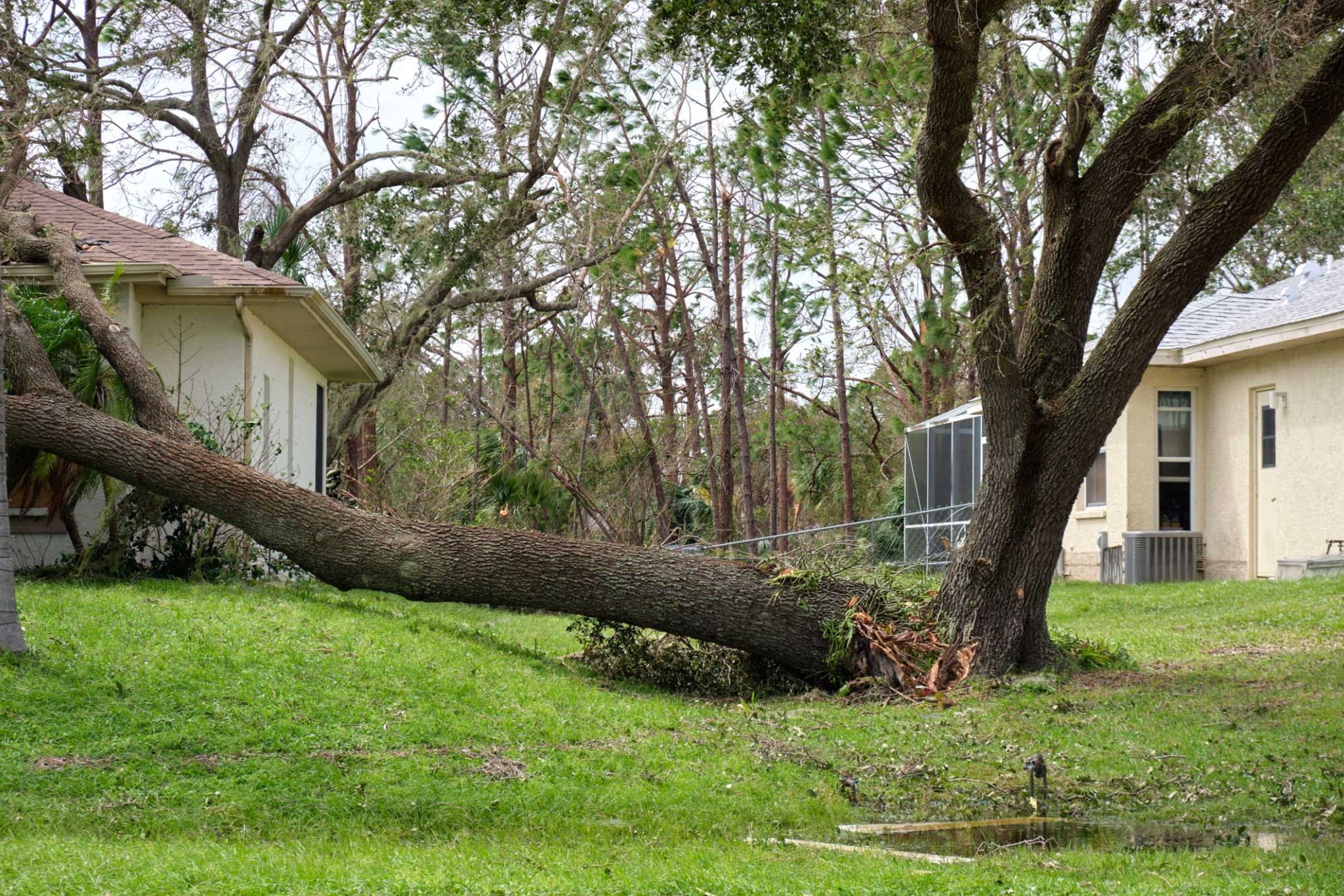
Good tree guidance is not only about maintenance. It is about knowing when trimming still makes sense, when removal is necessary, and how to read the warning signs before a tree problem becomes a bigger property issue.
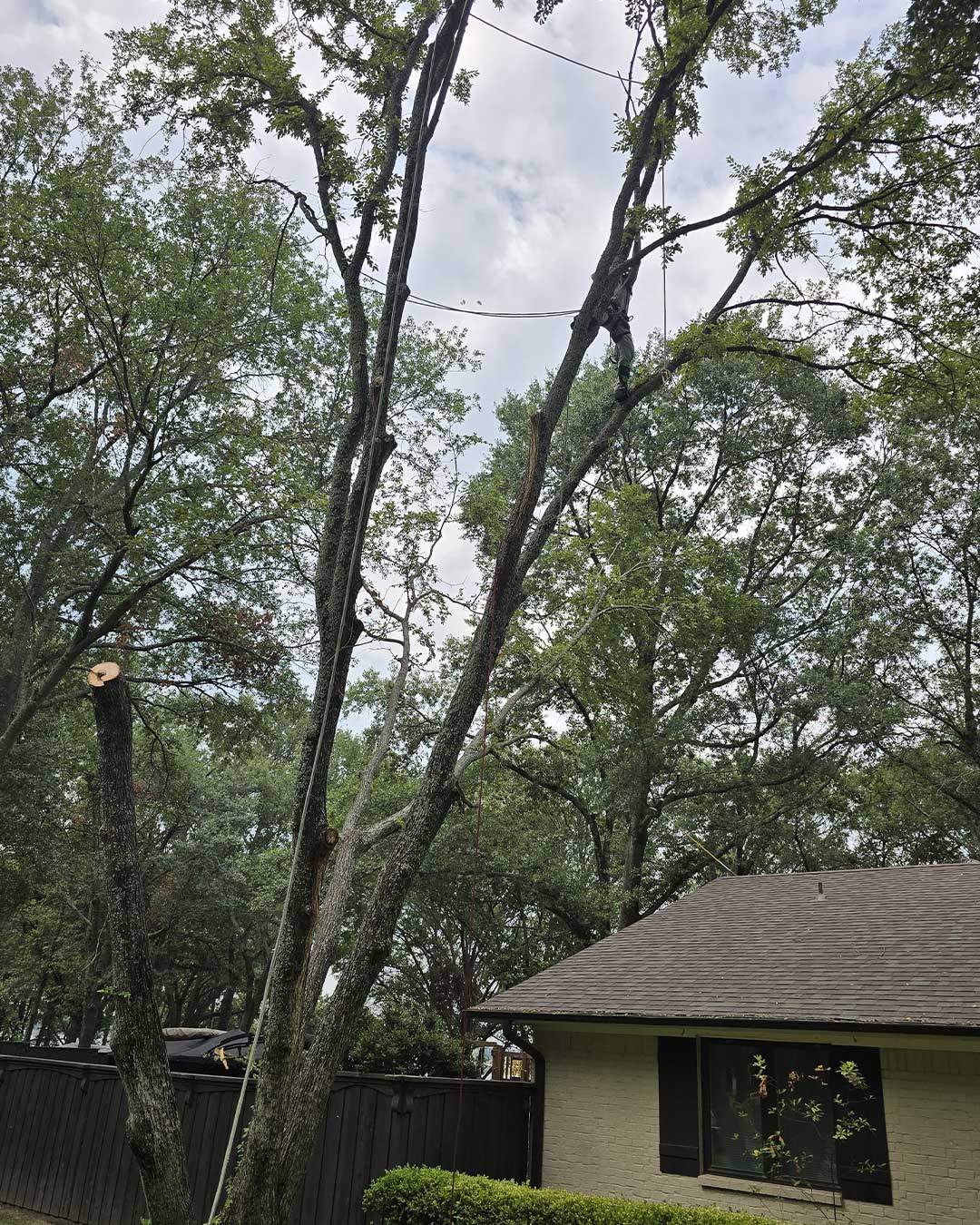
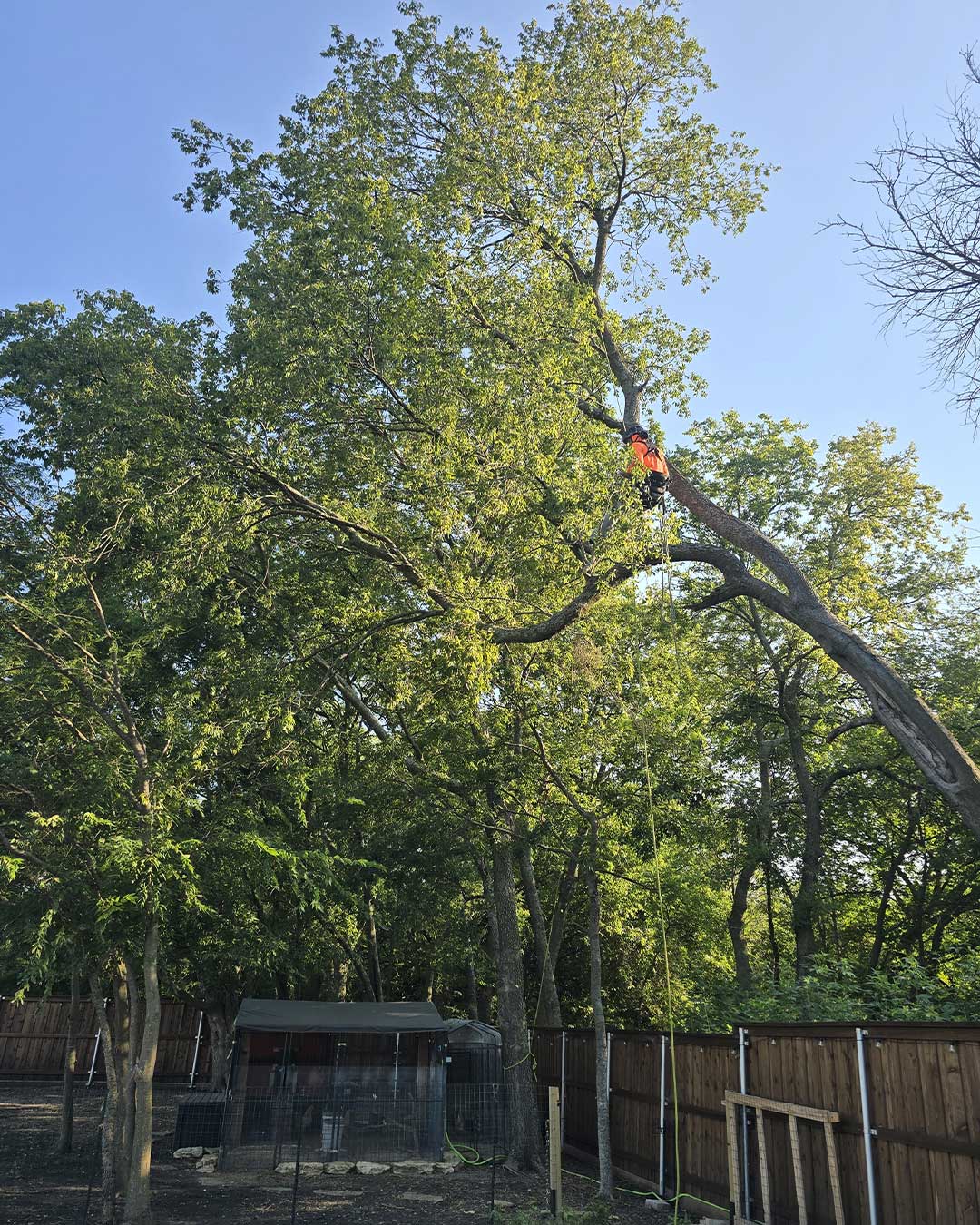
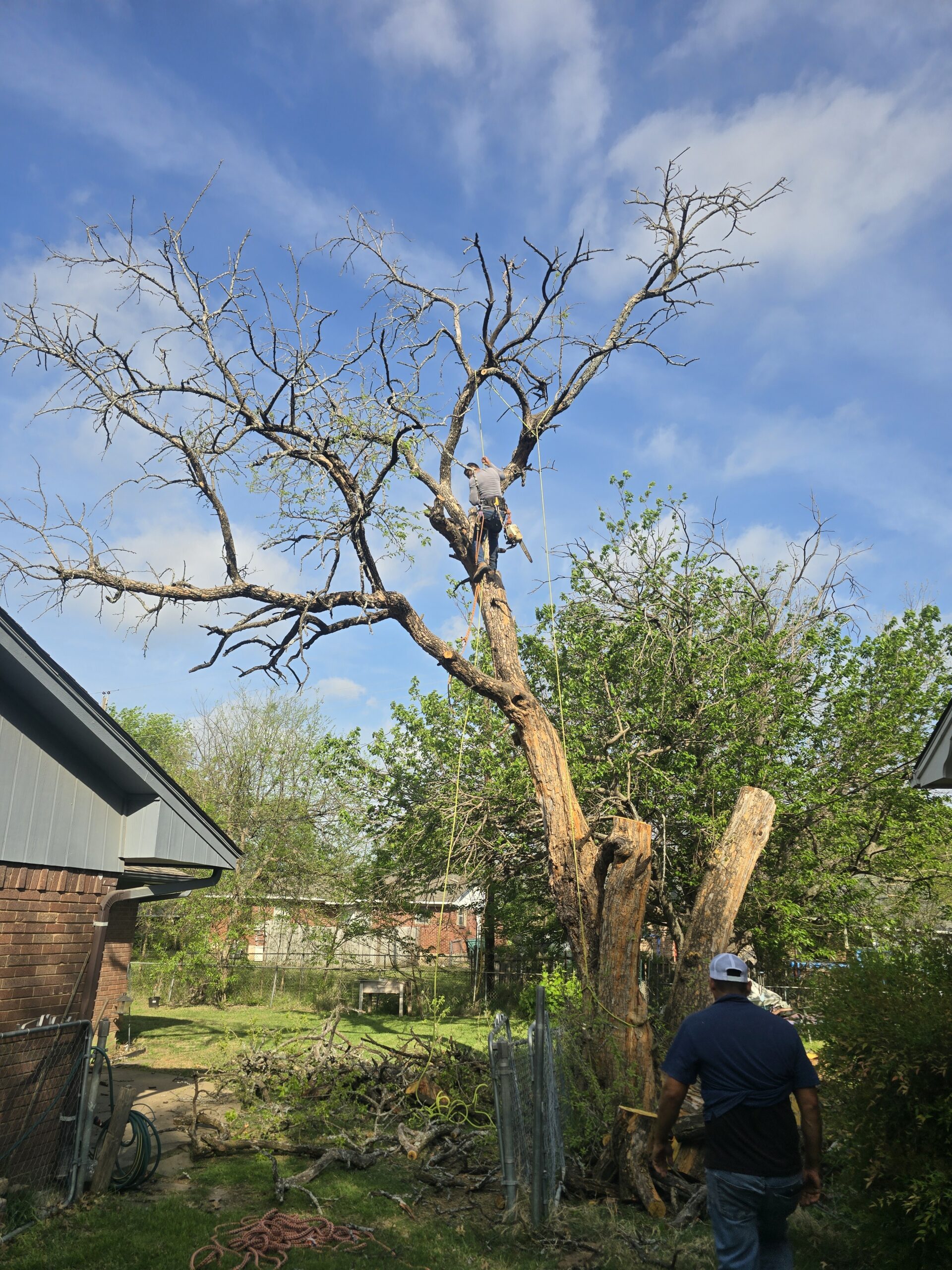
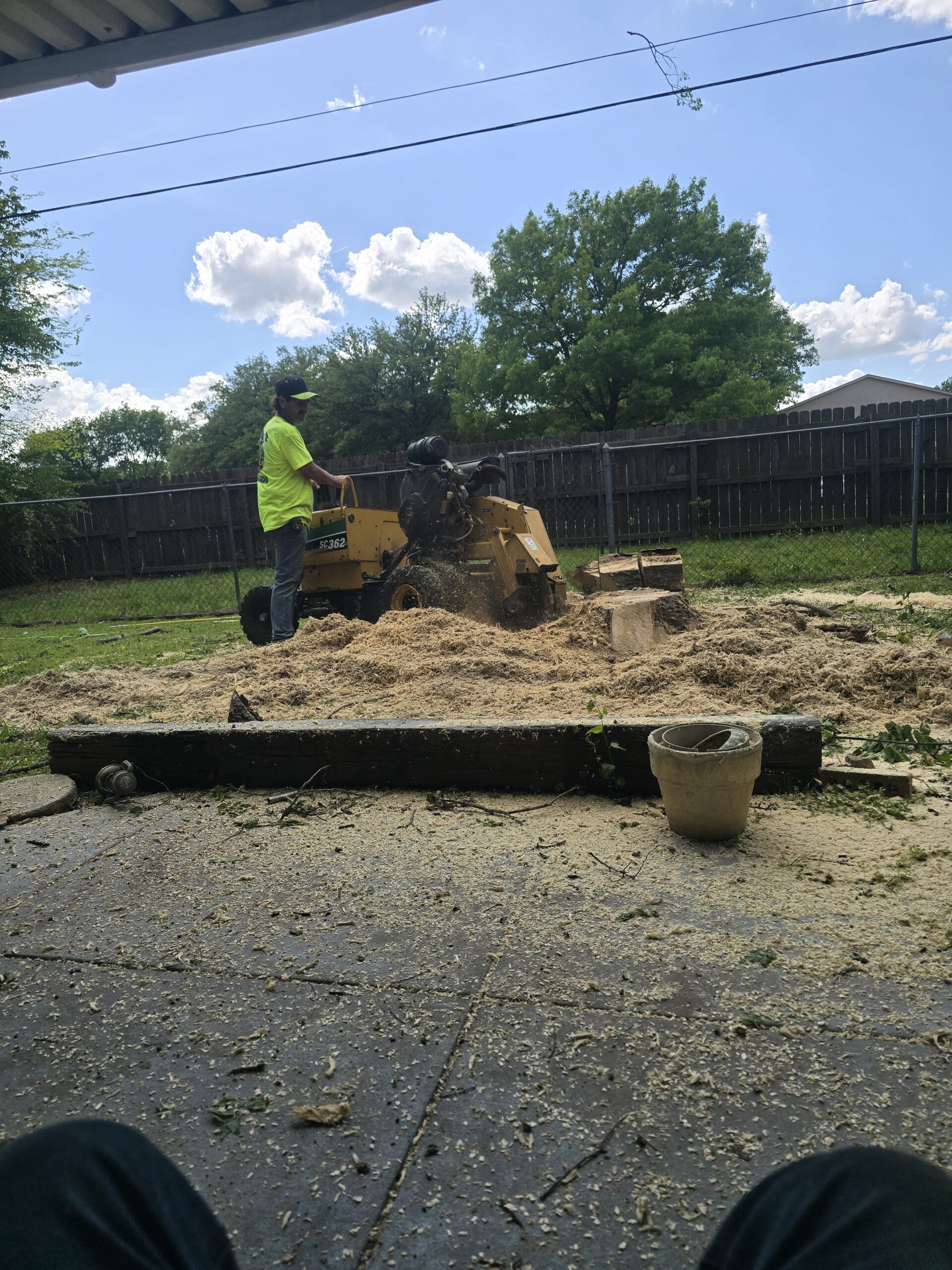
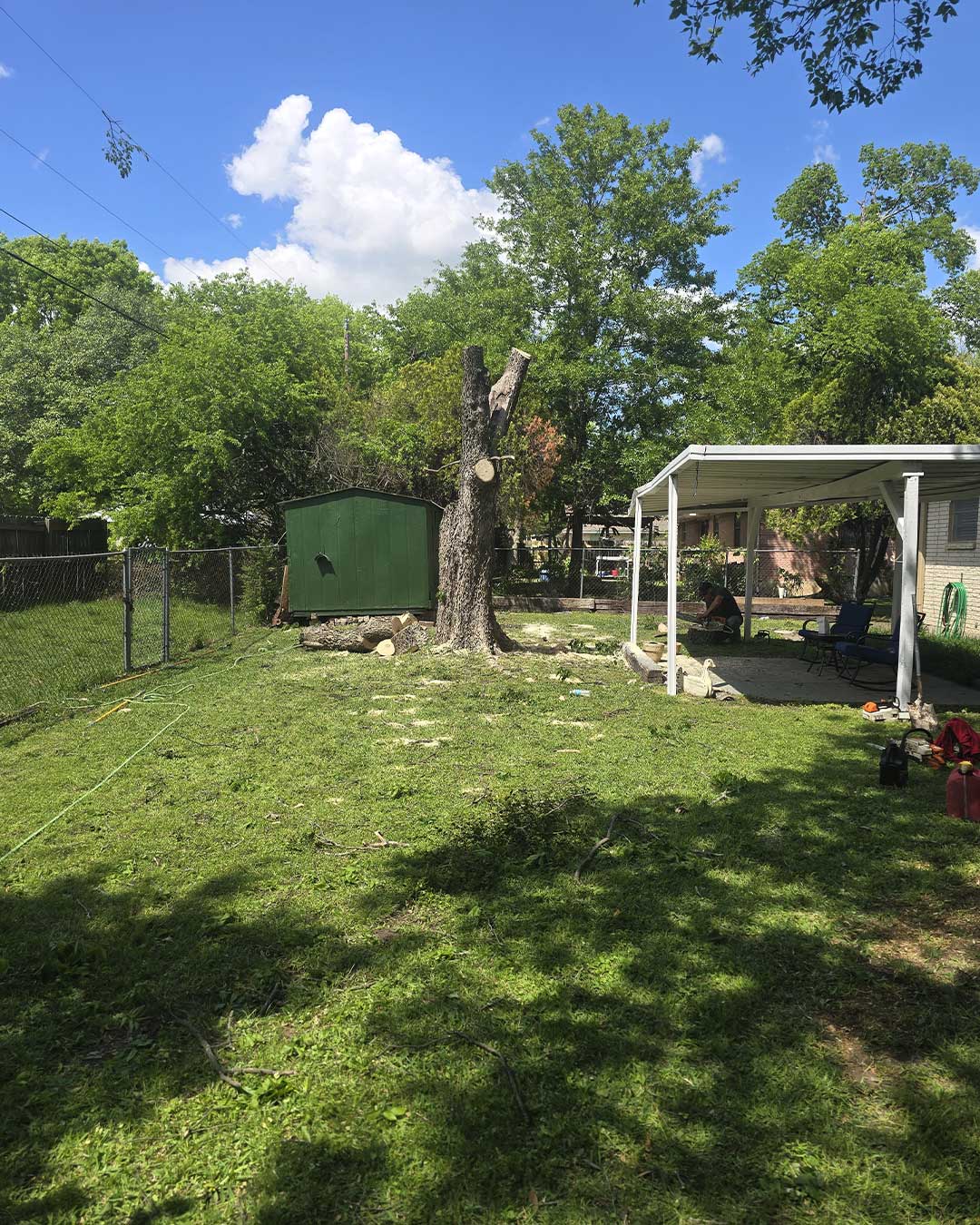
Explore visual examples connected to tree care, trimming, removal, and outdoor safety concerns across North Texas. This section helps reinforce When is the Best Time to Trim Trees while showing the kind of property conditions, tree risks, and final results that often shape the right next step.
Get clear guidance on When is the Best Time to Trim Trees, possible warning signs, and when trimming may no longer be enough for a safer property decision.
See why property owners value clear answers about when is the best time to trim trees and safer tree care decisions.
Trustindex verifies that the original source of the review is Google.Posted on Gary AbbeQuick, fair price, no surrounding damages.Trustindex verifies that the original source of the review is Google.Posted on Imperios Ganadores⭐️⭐️⭐️⭐️⭐️ Excelente servicio. Sharky Tree Service LLC hizo un trabajo increíble en mi propiedad. Fueron muy profesionales, llegaron a tiempo y trabajaron de manera segura y eficiente. Cortaron y podaron los árboles exactamente como lo necesitaba y dejaron todo limpio al terminar. Definitivamente los recomiendo si necesitas un servicio confiable y de calidad. ¡Volveré a contratarlos sin duda!Trustindex verifies that the original source of the review is Google.Posted on Chloe RussellHe was very prompt & efficient. Went above and beyond, highly recommend him.Trustindex verifies that the original source of the review is Google.Posted on David NormanProfessional, fair pricing, excellent clean up.Trustindex verifies that the original source of the review is Google.Posted on Pat GreenI request their services to cut a tree that split at two different levels and trim some other heavy limbs in the way of my driveway. The crew was courteous, precessional and worked extremely hard and did a “great job”. I’m very pleased with their services and will recommend them…, and use them again.Trustindex verifies that the original source of the review is Google.Posted on Trish FairThey did an amazing jobTrustindex verifies that the original source of the review is Google.Posted on Deb SteinbergExcellent work, very efficient and careful. They removed 4 trees for us, and we couldn't be happier. They cleaned up after they finished and everything looks great!Trustindex verifies that the original source of the review is Google.Posted on SuberDThey did a great job cleaning up my lot. Trimming trees, removing dead branches and removing a few trees. They also handled the stump grinding. I would definitely use them again. Also love the fact that they have a wood chipper and a big truck so they did not have to burn anything on my lot or make multiple trips to dump.